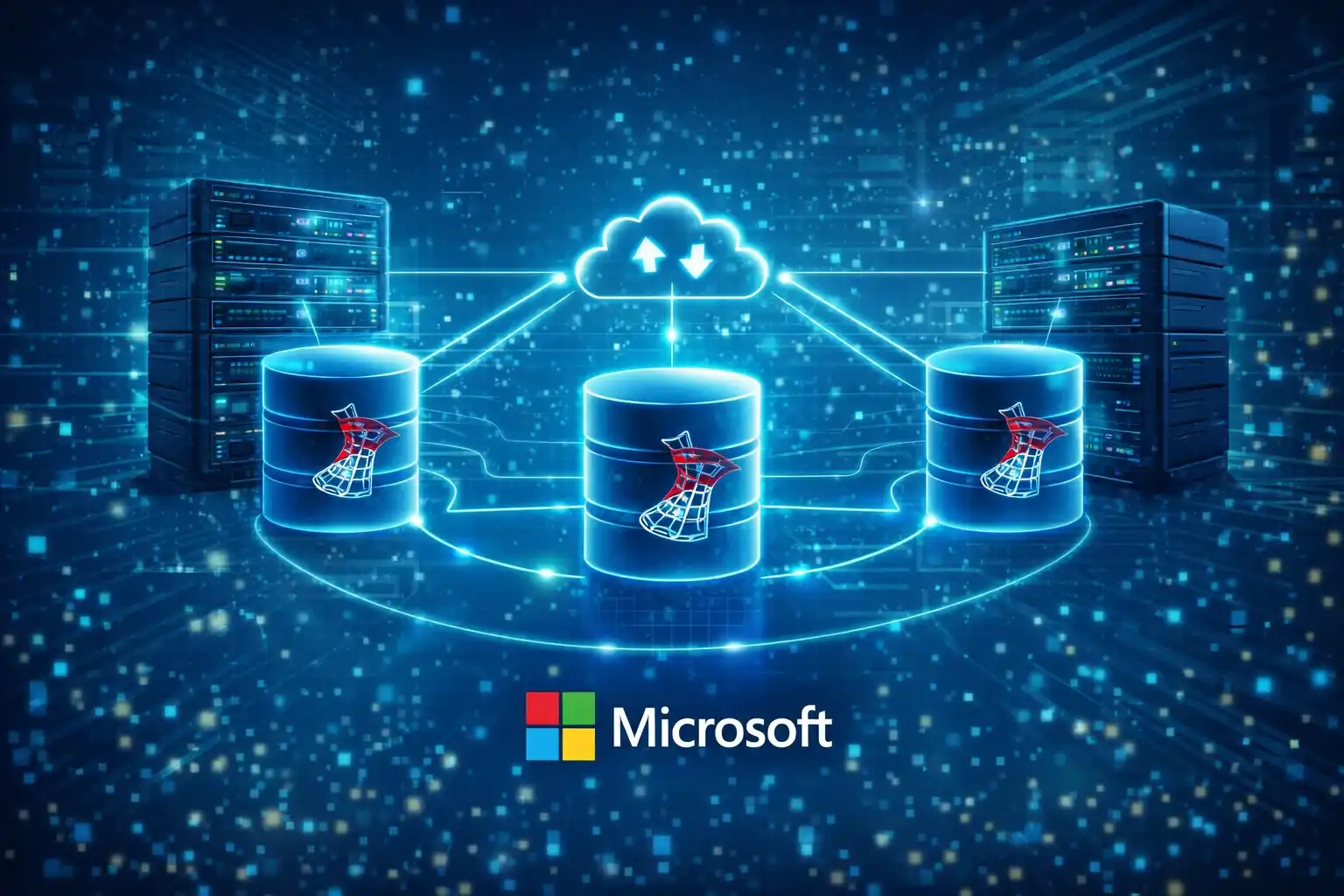
MS SQL Server Always On High Availability

About Course

Course Objectives:

  • Understand Always On High Availability concepts and architecture.

  • Deploy and manage SQL Server failover clusters and availability groups.

  • Perform maintenance and backups in Always On environments.

  • Monitor, troubleshoot, and optimize availability groups.

  • Configure read-only secondary replicas, load balancing, and policy-based management.

Course Outlines:

Module 1: Introduction

  • Course overview and objectives.

Module 2: Always On Concepts and Terminology

  • High availability, disaster recovery, RTO, RPO, RLO.

  • Legacy solutions: log shipping, replication, database mirroring.

  • Always On comparisons and enhancements in SQL Server 2016.

Module 3: Windows Server 2016 Failover Clustering

  • Cluster configuration, quorums, private/public networks, Cluster Aware Updating, virtual machine failover.

  • Hands-on labs: add cluster features, create clusters, test failover, manage cluster roles.

Module 4: SQL 2016 Failover Cluster Instances (FCI)

  • Install and configure SQL Failover Cluster Instances.

  • Lab exercises: cluster installation, configuration files, and testing.

Module 5: SQL 2016 Always On Availability Groups

  • Configure primary and secondary replicas, listeners, synchronous/asynchronous commit, and failover modes.

  • Hands-on labs: enable Always On, set up availability groups, use the Availability Group wizard.

Module 6: Dashboard for Managing Always On

  • Monitor dashboards, logs, replication, and contained databases.

  • Hands-on labs: dashboard navigation, replicate logins/jobs.

Module 7: Active Secondary Availability Group Actions

  • Configure readable secondary replicas, read-only routing, load balancing.

  • Backup procedures using secondary replicas.

  • Hands-on labs: configure read-only secondary, perform backups.

Module 8: Maintenance

  • DBCC checks, add/remove databases, add/remove replicas.

  • Hands-on labs: perform database and replica maintenance.

Module 9: Monitoring and Troubleshooting Availability Groups

  • Advanced dashboard usage, events, policy-based management, extended events.

  • Hands-on labs: create policies, test RTO/RPO, manage endpoints.


World Food Programme (WFP)

Our work with the World Food Programme (WFP) focused on enabling the effective adoption of digital field technologies and essential digital literacy capabilities. Participants utilized mobile-based data collection platforms within operational contexts, enhancing accuracy, consistency, and confidence in digital data handling. The engagement strengthened WFP’s ability to rely on digital tools to support field operations and humanitarian programs.

Raya

For Raya, we delivered technology enablement focused on automation-driven operations and scalable application development. Participants gained hands-on experience with automation technologies and modern front-end development frameworks, supporting more efficient processes and the delivery of flexible, high-performance digital solutions aligned with business growth objectives.

EgyptAir

Our engagement with EgyptAir focused on enabling the effective use of application development technologies alongside the adoption of cybersecurity and secure computing practices within operational environments. Participants worked with Microsoft-based development platforms and programming technologies while gaining practical exposure to secure application usage, access control mechanisms, and threat-aware system interaction. This integrated technology enablement supported more secure digital operations, improved system reliability, and reinforced cyber resilience across aviation technology environments.

Banque Misr

We collaborated with Banque Misr to enable integrated enterprise technology capabilities across multiple domains. The engagement supported effective utilization of IT infrastructure environments, data analytics platforms, and professional capability development frameworks, allowing teams to operate confidently within complex enterprise systems. Our delivery approach focused on practical technology adoption, operational alignment, and building sustainable competencies that support reliable banking services and informed, data-driven decision-making.

Course Booking Form