KL 057.7: Kaspersky Anti Targeted Attack. Investigation

Categories: Kaspersky

About Course

Course Description

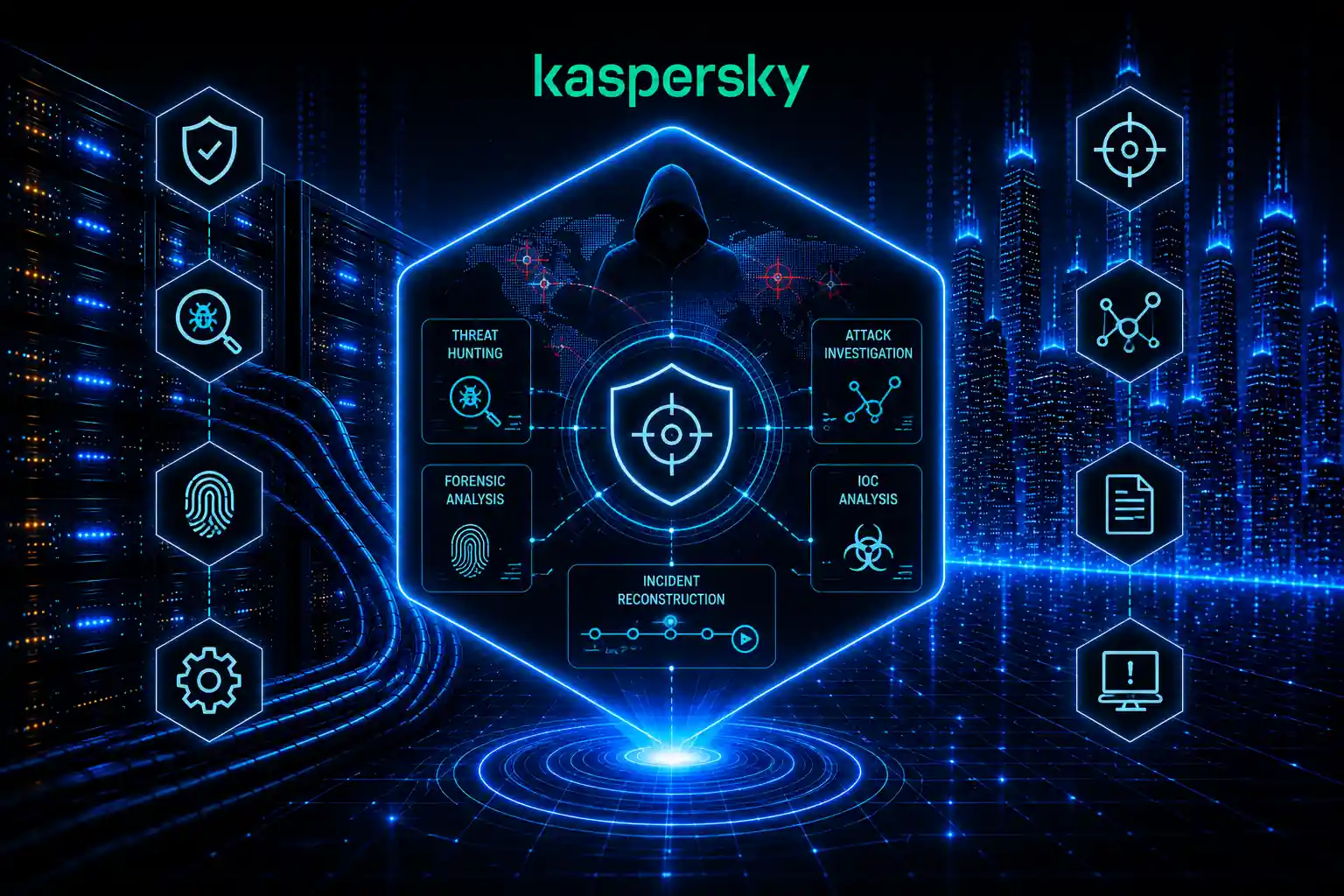
Kaspersky Anti Targeted Attack is a platform designed to protect an organization’s IT infrastructure and detect sophisticated threats, such as zero-day attacks, targeted attacks, and Advanced Persistent Threats (APTs).

The solution is designed for enterprises and consists of three functional blocks, two of which are covered in this course:

  • Kaspersky Anti Targeted Attack (KATA): Protects the perimeter of the corporate IT infrastructure.
  • Network Detection and Response (NDR): Protects the organization’s internal network.

The theoretical part of the course, combined with hands-on labs, provides participants with an understanding of how the solution works and the practical skills required to detect and hunt for threats using Kaspersky Anti Targeted Attack.

1. Introduction


2. KATA NDR Use


3. Sandbox Analysis Results


4. Reports and Notifications


Labs

Lab 1: Kaspersky Anti Targeted Attack Activation
Lab 2: Analyzing Unencrypted Protocol Versions
Lab 3: Network Scanning
Lab 4: Brute-Force Attack on the Alex Domain Account
Lab 5: Sending Remote Commands and Opening a Remote Shell Session with a Domain Controller
Lab 6: Remote Collection of Information on All Domain Users and an ASREPROAST Attack
Lab 7: Pass-the-Hash Attack
Lab 8: Collecting Domain Data
Lab 9: Collecting Data About the System, Using Steganography, and Data Exfiltration
Lab 10: Drive-By Download Attack
Lab 11: Attack Using the Caldera Framework
Lab 12: SYN Flood Attack
Lab 13: DNS Amplification Attack
Lab 14: Brute-Force Attack on the Administrator User of a Corporate Linux Server
Lab 15: ARP Spoofing and SSL Stripping Attack
Lab 16: Launching a Malicious Container on a Corporate Server
Lab 17: Exploiting Web Server Vulnerabilities
Lab 18: Ransomware and Encryption Key Exfiltration
Lab 19: Attack Using the Caldera Framework
Lab 20: Reports

World Food Programme (WFP)

Our work with the World Food Programme (WFP) focused on enabling the effective adoption of digital field technologies and essential digital literacy capabilities. Participants utilized mobile-based data collection platforms within operational contexts, enhancing accuracy, consistency, and confidence in digital data handling. The engagement strengthened WFP’s ability to rely on digital tools to support field operations and humanitarian programs.

Raya

For Raya, we delivered technology enablement focused on automation-driven operations and scalable application development. Participants gained hands-on experience with automation technologies and modern front-end development frameworks, supporting more efficient processes and the delivery of flexible, high-performance digital solutions aligned with business growth objectives.

EgyptAir

Our engagement with EgyptAir focused on enabling the effective use of application development technologies alongside the adoption of cybersecurity and secure computing practices within operational environments. Participants worked with Microsoft-based development platforms and programming technologies while gaining practical exposure to secure application usage, access control mechanisms, and threat-aware system interaction. This integrated technology enablement supported more secure digital operations, improved system reliability, and reinforced cyber resilience across aviation technology environments.

Banque Misr

We collaborated with Banque Misr to enable integrated enterprise technology capabilities across multiple domains. The engagement supported effective utilization of IT infrastructure environments, data analytics platforms, and professional capability development frameworks, allowing teams to operate confidently within complex enterprise systems. Our delivery approach focused on practical technology adoption, operational alignment, and building sustainable competencies that support reliable banking services and informed, data-driven decision-making.

Course Booking Form